Friday, 6 January 2017

Drone called into service for vegetation survey


Last October, members of the Project Coordination Unit witnessed the test flight of the unmanned aerial vehicle (UAV) that is being used to undertake the vegetation survey in pilot protected areas for the project "Improving Forest and Protected Area Management in Trinidad and Tobago".  

Learn about their experience in this link.

Monday, 19 December 2016

Results of Knowledge, Attitudes and Practices survey in Tobago

During the month of August 2016, a team of survey enumerators visited the villages surrounding the two pilot protected areas in Tobago, in order to carry out a Knowledge, Attitudes and Practices
(KAP) survey.  The information was collected from over 400 respondents generally in the northeastern half of the island.


The results of the survey were presented to the stakeholders representing various organizations on the Tobago Subcommittee for the two pilot sites – the Main Ridge Forest and the proposed North East Tobago Marine pilot protected areas.


These stakeholders then took part in a facilitated discussion of the results, to propose strategies for public communication to improve on areas where knowledge is lacking, where positive attitudes and behaviours need to be stimulated and to support existing programmes where positive actions with successful impacts are already underway.


Please click here for a summary of the Knowledge, Attitudes and Practices survey results.

Monday, 12 December 2016

On the Trails

November 30th and December 1st marked the first two days of training in trail design and maintenance for 21 government and community-based stakeholders from the six pilot protected areas in the "Improving Forest and Protected Area Management in Trinidad and Tobago" project.  The overall objective of the training is to build capacity of stakeholders to design more attractive ecotourism products.

The first day was based at the Pax Guest House and the second day was based at the Asa Wright Nature Centre.  Topics covered included the historical context of these two ecotourism destinations, the products offered to tourists and the typology (characteristics) of the tourists.

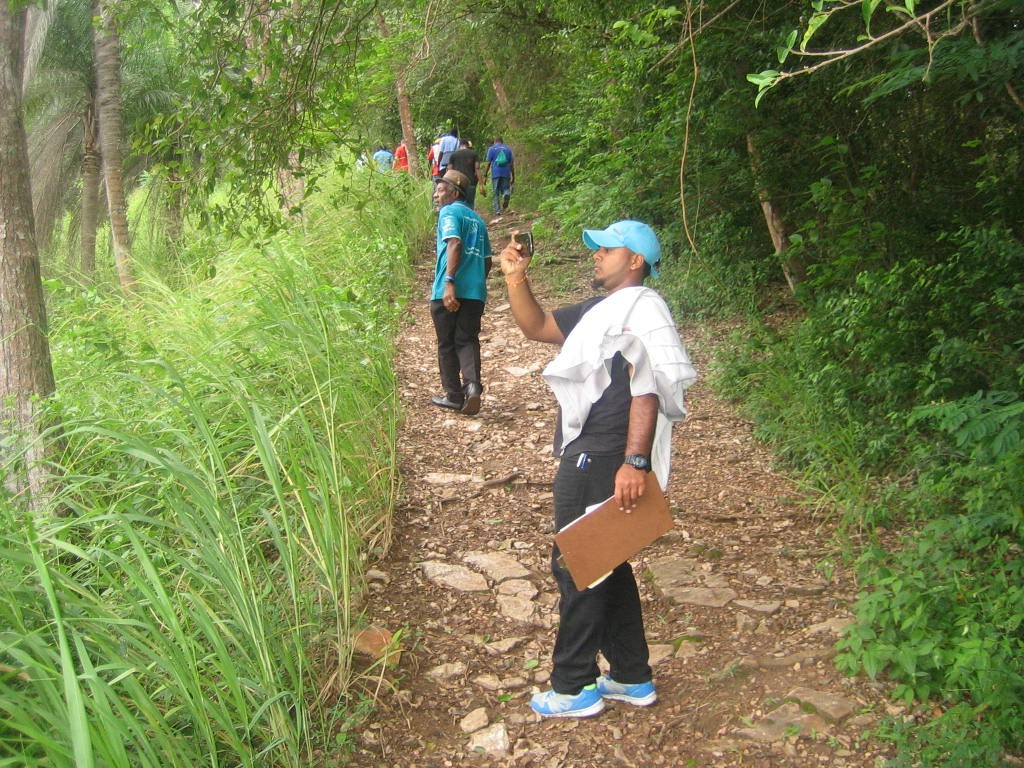
The most exciting part of the days’ activities was walking along trails in the vicinity of the two sites and taking in the interesting sights and sounds.  Considerations for trail design were discussed.  These included who are the targeted users of the trails, the use of established historical trails, the use of ridges, gradient, drainage and the type of materials used to construct the trails.

Pax.jpgPax 2.jpg
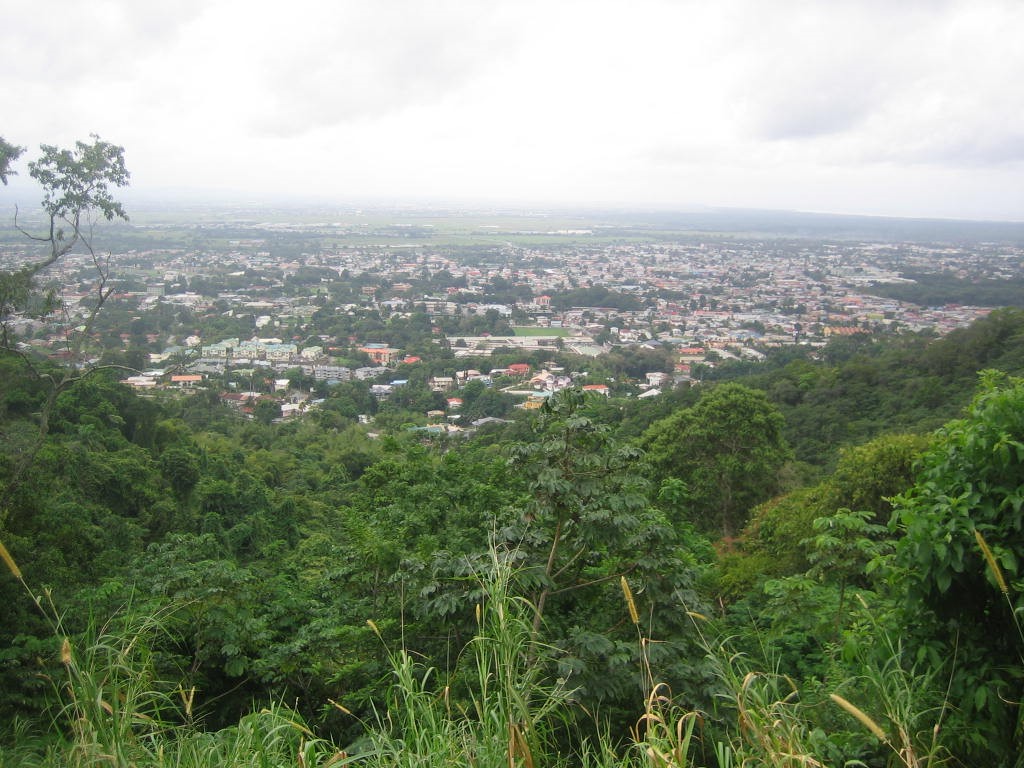
On the Alben Ride trail from Pax Guest House (at left); view from the trail (at right) .


Asa Wright 2.jpgAsa Wright.jpg

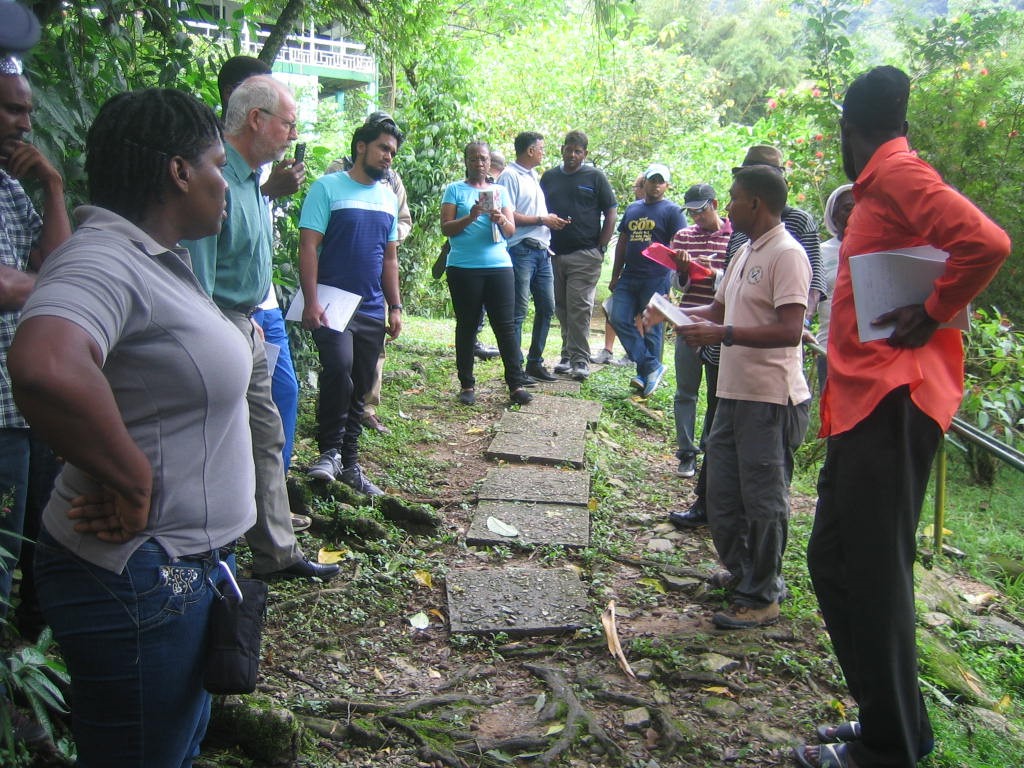
Down the Discovery Trail towards the call of the Bearded Bellbird (at left); Listening to the Asa Wright Nature Centre tour guide (at right)